Almost six million people in the UK have diabetes; however, fewer than one in 10 of these individuals have type 1 diabetes.
Type 2 diabetes refers to a chronic (long-term) condition where the levels of sugar (glucose) in your blood become too high.
Around four million people in the UK have type 2 diabetes.
Gestational diabetes refers to the presence of diabetes — high blood sugar levels due to insulin problems — during pregnancy.
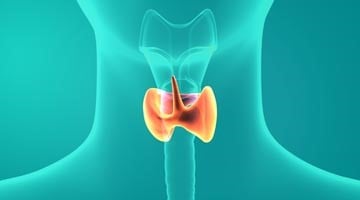
Your thyroid gland is a butterfly-shaped gland that sits in front of your windpipe in your neck.
Hormones are chemical messengers that are released into your blood where they travel to various organs, glands or tissues.
Thyroid eye disease (TED) damages the eye sockets and, in most cases, occurs in individuals with Graves’ disease.
Menopause is a natural part of ageing in women when periods stop and getting pregnant naturally is no longer possible.
In the UK, 9 out of 10 people with diabetes have type 2 diabetes.
Over four million people in the UK have diabetes and over half of people living with diabetes will develop diabetic retinopathy.
Endometriosis is a common condition affecting one in 10 women in the UK.
Thyroid cancer accounts for around 1% of all cancer cases in the UK, with approximately 3,900 people diagnosed each year.
There are two major risk factors for prediabetes: our genetics and our lifestyle.
Around 7,400 women are diagnosed with ovarian cancer each year in the UK.
The UK has one of the highest rates of obesity in Europe.
An overactive thyroid, also known as hyperthyroidism or thyrotoxicosis, affects between one in 200 to one in 50 people in the UK.
An underactive thyroid, also known as hypothyroidism, affects around two in every 100 people in the UK.
Neck lumps can be worrying, however, it is important to note that most are not cancerous (benign).
Almost five million people in the UK live with diabetes.
Diabetic ketoacidosis (DKA) is a potentially life-threatening condition that most often occurs in individuals with type 1 diabetes.