Vitamin D is an essential vitamin that supports different aspects of your health.
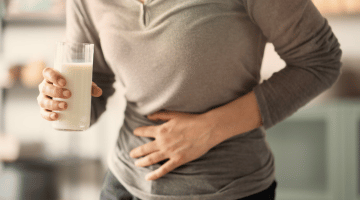
Lactose intolerance refers to an inability to digest and absorb lactose in your food and drinks.
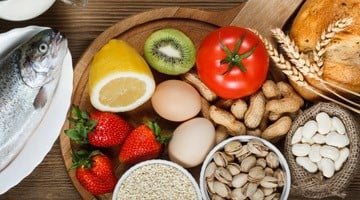
Food allergies occur when your body’s immune system overreacts to harmless substances (allergens) you ingest.
Crash diets involve a severe reduction in your calorie intake over a short period of time.
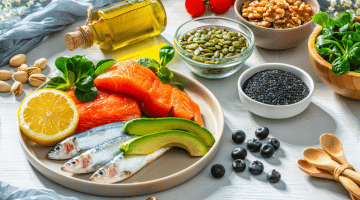
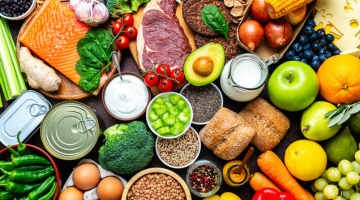
There’s an old saying, ‘you are what you eat’, and as a rule of thumb, if you want to enjoy good health, you should try to eat healthy food.
When it comes to looking after your skin, what you put into your body is just as important as the way you treat your skin.
Too much sugar in your diet can have a significant impact on your health, increasing your risk of serious health conditions.
There are over 350,000 cases of cancer each year in the UK and one in two people will develop some form of it during their lifetime.
The digestive system breaks down the food you eat, allowing your body to absorb the energy and nutrients it contains.
Gluten is a protein found in wheat, barley and rye, and consequently, is found in many foods.
Regularly eating lots of fast food can have both short and long-term effects on your physical health.
Although a healthy diet varies from person to person, there are some basic components that your body needs.
When we use the term overeating it means eating more than is needed for our body or more than is usual for us.
Iron is essential for almost every aspect of your health. This is because it is a critical part of your blood, which contains haemoglobin.
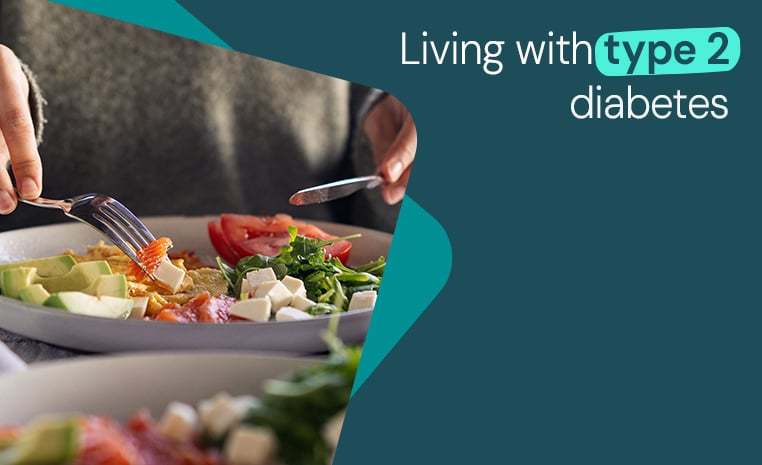
Around four million people in the UK have type 2 diabetes.
A healthy diet can be a great way to take care of your eyes.
Cutting back on sugar can bring many health benefits. But it can be challenging to make such a significant change to your diet.
Being told to eat a healthy, balanced diet is common advice, but what exactly does this mean?
It’s estimated that almost half of adults in the UK have cholesterol levels that are higher than the national guidelines.
We all know that some foods are better for us than others, but do you know how your diet can affect your heart?
Inflammation is your body’s reaction to foreign substances, such as pollen, chemicals and microbes (eg bacteria, viruses and fungi).